

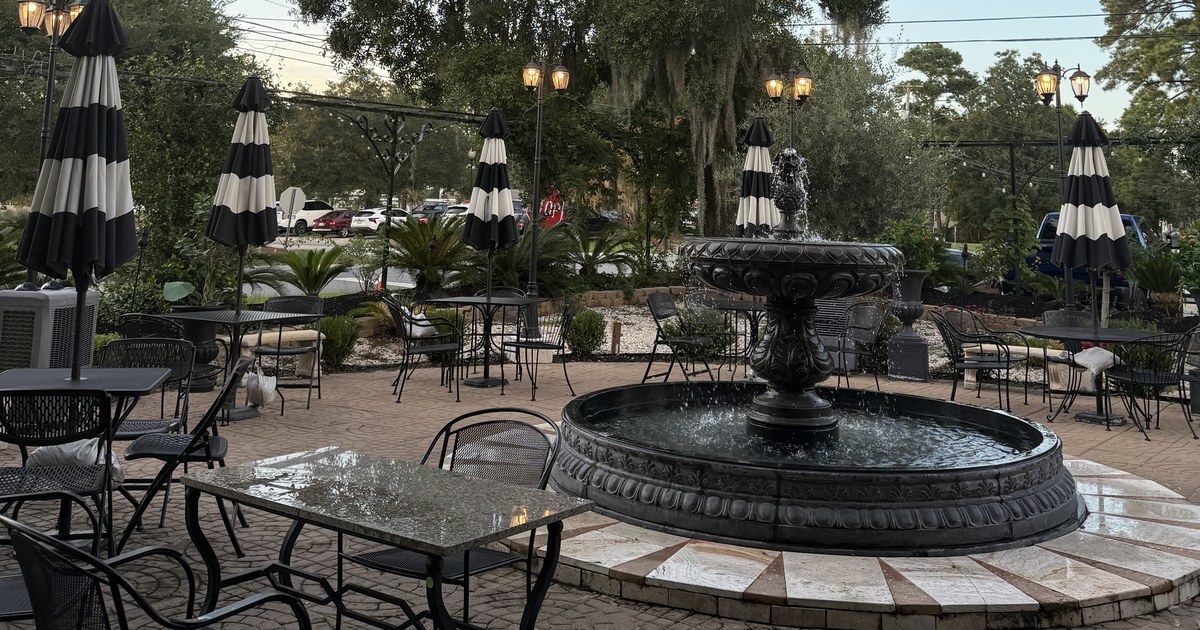
Summerville is an established town northwest of Charleston, known locally as “Flowertown,” with a historic downtown, a wide range of home ages and price bands, and homes assigned across Dorchester District Two and neighboring district attendance zones. It sits near both Joint Base Charleston gates via I-26, offers parks and trails, and mixes decades-old neighborhoods with new-construction communities. This page covers what it is actually like to live here, in plain facts.
I moved to the Lowcountry from out of state myself, so I know what it is like to size up a town from a distance and try to picture the daily details: the commute, the taxes, the flood question, what your money buys. This guide sticks to objective facts so you can decide with your eyes open. When you want current listings or price data, I link you to the right sibling pages below.
Is Summerville, SC a good place to live? (pros and cons)
Whether Summerville fits depends on your priorities, so here are the objective tradeoffs rather than a verdict. On the plus side: it is an established, larger town with a walkable historic downtown, a wide housing-stock age range (from early-1900s and mid-century homes to brand-new construction), parks and trails, and access to both Joint Base Charleston gates via I-26. On the tradeoff side: parts of the area sit in FEMA flood zones and carry flood-insurance costs, some newer communities have active HOAs with monthly dues, I-26 backs up at peak commute hours, and older homes come with older-home maintenance. None of those are good or bad in the abstract. They are facts you weigh against your budget, your commute, and the home type you want.
The honest way I frame it: Summerville gives you range. You can shop a 1970s ranch on a larger lot, a downtown historic home, or a 2025 build in a master-planned section, all within the same town. That range is the reason “pros and cons of Summerville” is such a common search. The answer is that the pros and cons shift depending on which part of town and which price band you are looking at, which is what the rest of this page breaks down.
What is Summerville, SC known for?
Summerville is known as “Flowertown in the Pines,” a nickname tied to its azaleas and its tall pine canopy, and it is one of the larger established towns in the Charleston metro. It has a historic downtown district with local shops and restaurants, a long-running annual Flowertown Festival held in the spring (typically early April), and a mix of older established neighborhoods and newer master-planned growth spreading out along the I-26 corridor. The town straddles Dorchester and Berkeley counties, though the historic core and much of the established housing sit on the Dorchester County side.
For anyone relocating, the practical takeaway is that Summerville is not a new-construction-only suburb the way some nearby communities are. It has decades of built history, an actual town center, and a wide spread of housing rather than a single builder’s product. That is part of what sets it apart from the newer planned communities I also cover, like Nexton and Cane Bay.
What school attendance zones serve Summerville?
Much of Summerville is served by Dorchester School District Two (DD2), with some addresses in adjoining districts depending on where the parcel sits relative to the county line. Public-school assignment in South Carolina is by attendance zone, set by your home’s specific address, so two homes a few streets apart can be zoned to different schools even within the same town. I map named subdivisions to their assigned attendance zones as objective facts using the official district locator, and I do not rate or rank schools. That is both a fair-housing rule and, honestly, the accurate way to do it, since “good school” means different things to different families.
If schools are part of your decision, tell me the specific addresses or subdivisions you are considering and I will pull the current assigned zones for each from the DD2 (or applicable district) locator before you commit. Zones are also updated periodically as the area grows. One thing worth asking the district directly if you are a military family: whether Dorchester District Two currently holds the Purple Star designation, the state recognition for districts that support military-connected students.
How far is Summerville from Joint Base Charleston?
From the historic core of town, the two gates run about the same. At a 6:30 am departure, the Air Base gate off Dorchester Road is typically 20 to 40 minutes, out Old Trolley Road rather than the interstate, and the Naval Weapons Station gate on Red Bank Road is typically 20 to 40 minutes out US-78. That is worth saying plainly because Summerville is often described as the Air Base town: on these figures it is not meaningfully closer to one gate than the other, and the Weapons Station is marginally the shorter run by road.
Ranges are typical-traffic figures pulled from Google Maps on 2026-08-12 for a Tuesday departure, not drives I made, and they will vary with your address, your report time and the day. They start from Summerville Town Hall, the closest-in part of a large town, so the newer communities on the edges run longer. Mid-day the same two runs are typically 18 to 45 minutes and 20 to 40 minutes. For the full six-market, both-gate breakdown, see the commute to Joint Base Charleston page, and for the military-move context, the PCS to Joint Base Charleston hub. Give me your short list and the gate you report to and I will drive each one at your commute hour and tell you what it did.
What does housing cost in Summerville, and what is the range?
Summerville spans one of the wider price and age ranges in the area, from older resale homes and larger-lot properties to new construction in planned sections. Entry-level and new-construction single-family homes in the affordable Summerville submarket have commonly run in roughly the mid-$300s (about $340,000 to $380,000 as a typical band per Charleston Trident Association of Realtors and affordable-submarket data, mid-2026), while the broader tri-county metro median sits meaningfully higher (roughly $455,000 to $525,000 per CTAR and Zillow ZHVI, mid-2026). These are dated approximations confirmed against the latest CTAR monthly report at the time you are shopping, not live spot quotes. Summerville’s own numbers land across a spread because the town includes everything from starter resales to larger new builds, not a single product type.
Builder “from” prices move with incentives, and resale prices move with the market, so I confirm current numbers against the latest CTAR monthly report at the time you are actually shopping. The comparison table below shows how Summerville lines up against the newer planned communities I cover on a few objective attributes, not on price alone.
| Attribute (objective) | Summerville | Newer planned communities (e.g. Nexton, Cane Bay) |
|---|---|---|
| Town / community type | Established larger town with historic downtown | Master-planned communities of newer vintage |
| Housing-stock age range | Wide: early-1900s and mid-century through new build | Predominantly new construction |
| Typical lot character | Ranges from larger established lots to planned-section lots | Mostly planned-section lots, community amenities |
| Primary school district | Dorchester District Two (DD2), some adjoining zones | Often Berkeley County School District (verify by address) |
| HOA presence | Varies: many older areas have no HOA; newer sections do | HOA/POA standard, monthly or annual dues |
| New-construction entry band (mid-2026) | ~$340K to $380K affordable-submarket band (CTAR / affordable-submarket data, mid-2026); confirm live at publish | Varies by builder and phase |
| Commute lever | 20 to 40 min to either gate at a 6:30 am departure, from the historic core | Farther out the corridor; longer typical drive |
For a current, dated Summerville median and an inventory count, pull the latest CTAR monthly market report rather than relying on a figure quoted on any page. For live listings, use the Summerville homes for sale page. For dated market trends and “is it a good time to buy” analysis, use the Summerville market update. I keep those on their own pages on purpose so this guide stays focused on what living here is actually like.
How aggressive are Summerville HOAs, and what are the fees?
It varies widely by neighborhood, which is the honest answer. Many of Summerville’s older, established subdivisions have no HOA at all, while newer master-planned sections and townhome communities carry HOA or POA dues that can run monthly or annually and may fund amenities like a pool, common areas, or lawn maintenance. There is no single “Summerville HOA fee,” so the number that matters is the one attached to the specific community you are considering. Some communities also have architectural-review rules that govern exterior changes.
Before you write an offer, I get you the actual HOA or POA documents, the current dues, what they cover, and any special assessments or rules, so there are no surprises after closing. If avoiding an HOA is a priority, Summerville is one of the markets where that is genuinely possible in the older sections, which is not always true in the newer planned communities.
What about flood zones, insurance, and property taxes?
Flood risk in Summerville is real and parcel-specific: some homes sit in FEMA-designated flood zones and some do not, sometimes within the same neighborhood, and that status drives whether flood insurance is required and what it costs. A home in a FEMA-designated Special Flood Hazard Area generally needs flood insurance when the mortgage is federally backed (FloodSmart.gov, the NFIP’s own consumer site, as of 2026), and because FEMA updates flood maps over time, that status is worth re-checking rather than treated as permanent. I check the flood-zone status of any home you are serious about as a standard part of due diligence, alongside the South Carolina wood-destroying-insect (CL-100) report and, where relevant, well and septic. Coastal and near-coastal South Carolina also carries higher homeowners-insurance costs than many inland areas, so we build insurance into the monthly payment math from the start rather than letting it surprise you at closing.
On property taxes, South Carolina’s statutory assessment ratio for owner-occupied primary residences is 4% (versus 6% for second homes and investment property, per the SC Code of Laws assessment-ratio rule, current 2026), which keeps the effective rate relatively low, though the exact bill depends on the county and local millage. Summerville straddles Dorchester and Berkeley counties, and the two can differ, so I confirm the specific county and millage for the address you are buying. For the broader flood picture across the region, the flood zones and hurricanes in Charleston page goes deeper.
What is there to do in and around Summerville?
Summerville has a walkable historic downtown with local shops and restaurants, several town and county parks, and access to greenway trails, plus the annual spring Flowertown Festival that draws regional visitors. The town sits within reach of downtown Charleston and the regional beaches via the interstate system, so a lot of residents treat Summerville as a base with the wider Lowcountry a manageable drive away. These are amenities and geography, stated as facts; how you weigh them is up to you.
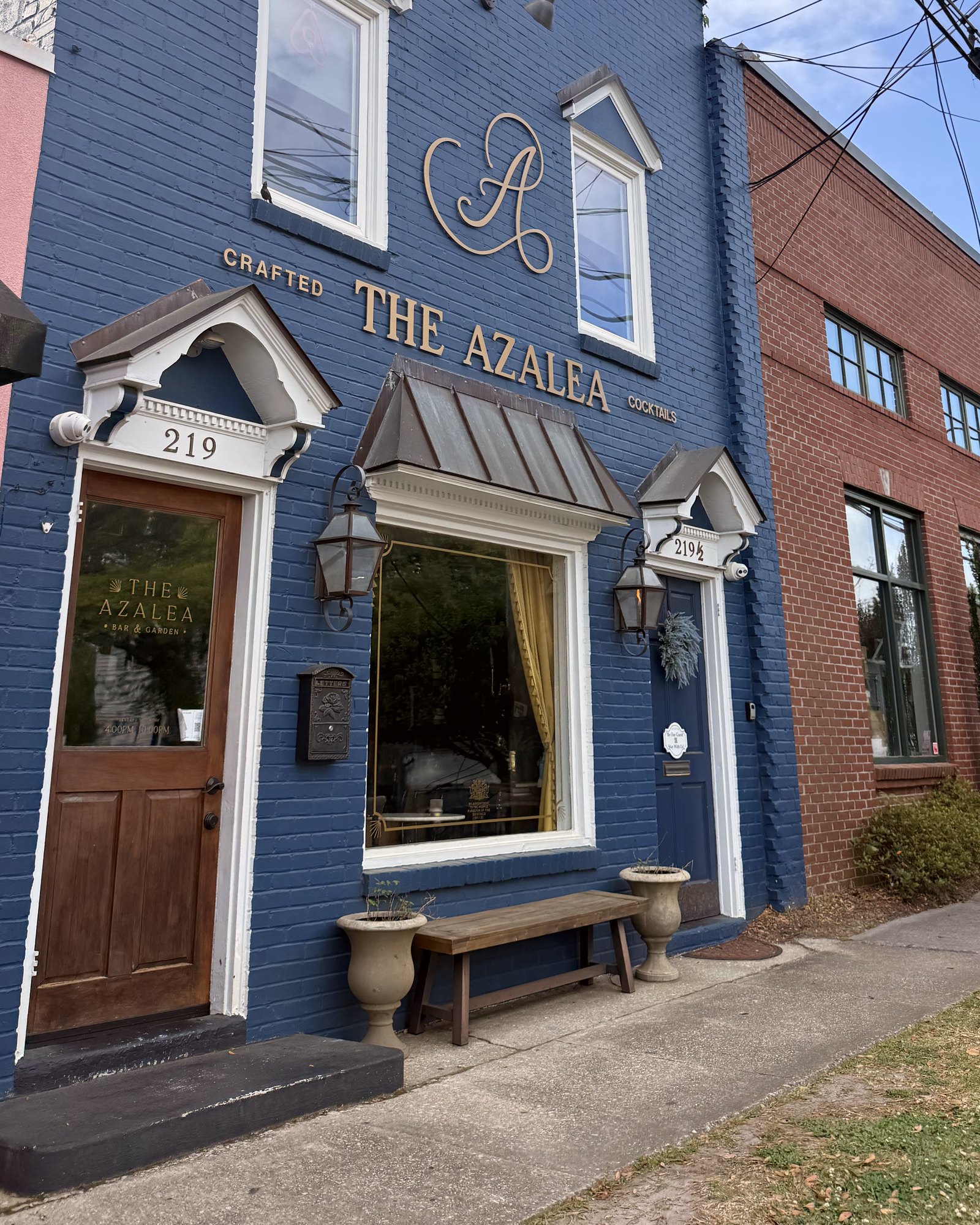
For beach-day planning from this side of the metro, the beaches near Summerville (coming soon) page covers the closest options and rough drive context, and the Life in the Lowcountry hub collects the wider lifestyle guides. If a lifestyle detail is load-bearing to your decision (say, a specific park or trail near a subdivision you like), tell me and I will confirm the specifics for that exact area.
How does Summerville compare to other Charleston suburbs?
Summerville’s distinguishing facts are its established-town character, its historic downtown, and its wide housing-age and price range, which set it apart from the newer, predominantly new-construction communities nearby. If you are weighing it against a specific alternative, the comparison depends on which one and on your commute, price band, and home-type priorities, all of which I lay out as objective facts. Two of the most-searched Summerville comparisons are covered on dedicated pages so you get a real head-to-head rather than a paragraph.
- Summerville versus Mount Pleasant: see Summerville vs Mount Pleasant for commute, price band, and district-zone differences.
- Goose Creek versus Summerville: see Goose Creek vs Summerville (coming soon), which adds the base-commute angle.
If the choice you are actually making is between communities inside and around Summerville rather than between towns, the free Summerville community guide is a ten-page PDF that lays seven of them out on the same six facts, one page each. The neighborhoods hub routes to the rest of the six “Living in” guides and the full comparison set, so you can line up any two areas that are on your list.
Where new construction fits in Summerville
A meaningful share of Summerville’s newer inventory is new construction in planned sections, alongside its large stock of established resale homes. New construction runs on its own process: a build timeline, design-center selections that change your final price, and a builder contract that works differently from a resale. If you are buying new, having your own agent register on your first visit to the sales center protects your representation, and I represent you, not the builder. Buyer representation on new construction is frequently paid through the builder’s cooperating compensation, and I confirm how compensation works before you tour.
For the objective builder-and-community view and the current new-construction options in town, see new construction in Summerville, and for the buyer-education side (negotiation, inspections, incentives, and who pays your agent), the new construction in the Charleston suburbs pillar. Military buyers using a VA loan on a new build should also read VA loan on new construction in SC.
For military and PCS buyers considering Summerville
If you are PCSing to Joint Base Charleston, the facts that matter most for Summerville are its access to both gates via I-26, its DD2 (and adjoining) attendance zones, and its wide price range, which your Charleston BAH (Military Housing Area SC259) applies to the same as it does across all six suburbs I serve. Your allowance does not change based on which suburb you pick, so the real trade is commute time and home type, not buying power. As an MRP, I help PCS buyers weigh those price bands and the commute against a report-date deadline. The military framing here is about my service and expertise, not about who a home or neighborhood is “for.”
The deeper military resources live on their own pages: the PCS to Joint Base Charleston hub for the full timeline, BAH Charleston for allowance-to-buying-power, and the commute to Joint Base Charleston page for gate-by-gate drive context. This is general information, not lending or financial advice; confirm any financing specifics with your VA-savvy lender and the VA.
Work with an agent who has made the move
I am Megan Duncan, a REALTOR with Modern + Main Realty in Moncks Corner and a Military Relocation Professional (MRP). I specialize in PCS relocations to Joint Base Charleston and in new construction across Summerville, Nexton, Cane Bay, Moncks Corner, Goose Creek, and Carnes Crossroads. I moved to the Lowcountry from out of state myself, so I know what it is like to learn a whole new town from a distance, and I have helped buyers and sellers do exactly that. My job is to give you the honest map, commute, price bands, taxes, flood, HOA, and named school zones, so you choose with your eyes open. SC License #141795.
One low-pressure next step: tell me the part of Summerville you are curious about and your must-haves, and I will send you the objective facts for that area, no pressure and no obligation. Reach me through contact, or grab the free Summerville community guide if you are still narrowing down which part of town. Moving from further afield, the free Charleston relocation guide is the wider orientation. When you are ready for numbers, the Summerville market update and homes for sale in Summerville are a click away.
Frequently asked questions
Is Summerville, SC a good place to live?
That depends on your priorities, so here are the facts instead of a verdict: Summerville is an established larger town with a historic downtown, a wide housing-age and price range, parks and trails, and access to both Joint Base Charleston gates via I-26. Tradeoffs include flood-zone areas with insurance costs, active HOAs in newer sections, and I-26 peak-hour traffic. You weigh those against your budget and commute.
What is Summerville, SC known for?
Summerville is known as “Flowertown in the Pines” for its azaleas and pine canopy, and it is one of the larger established towns in the Charleston metro, with a historic downtown, a long-running spring Flowertown Festival, and a mix of decades-old neighborhoods and newer master-planned growth along I-26.
What school district is Summerville in?
Much of Summerville is served by Dorchester School District Two (DD2), with some addresses in adjoining districts depending on the parcel. Assignment is by attendance zone, set by your home’s specific address, so I confirm the current assigned zones for any subdivision you are considering using the official district locator, and I do not rate schools.
How far is Summerville from Joint Base Charleston?
From the historic core, both gates run about the same at a 6:30 am departure: typically 20 to 40 minutes to the Air Base gate off Dorchester Road and 20 to 40 minutes to the Naval Weapons Station gate on Red Bank Road, on 2026-08-12 traffic data. Ranges vary by address, gate and time of day, and the newer edges of town run longer than these, which start from Town Hall.
How aggressive are Summerville HOAs?
It varies by neighborhood. Many older established Summerville subdivisions have no HOA, while newer master-planned and townhome communities carry HOA or POA dues that may fund amenities and common areas. There is no single town-wide fee, so I get you the actual dues, coverage, and rules for the specific community before you offer.
Does Summerville flood, and do I need flood insurance?
Flood risk is parcel-specific: some Summerville homes sit in FEMA flood zones and some do not, sometimes within the same neighborhood, and that determines whether flood insurance is required and what it costs. A home in a Special Flood Hazard Area generally needs flood insurance with a federally backed mortgage, and because flood maps change over time, that status is worth re-checking rather than assumed permanent. I check the flood-zone status of any home you are serious about as part of standard due diligence, and coastal-area insurance runs higher, so we build it into the payment math early.
What are property taxes like in Summerville?
South Carolina’s statutory assessment ratio for owner-occupied primary residences is 4% (per the SC Code of Laws assessment-ratio rule, current 2026), which keeps the effective rate relatively low, but the exact bill depends on county and local millage. Summerville straddles Dorchester and Berkeley counties, which can differ, so I confirm the specific county and millage for the address you are buying.
What is the price range for homes in Summerville?
Summerville spans a wide range because it includes older resale homes, larger-lot properties, and new construction. Entry-level and new-construction single-family homes have commonly run in roughly the mid-$300s (mid-2026), with the overall town spread wider. These are dated approximations; I confirm current numbers against the latest CTAR report when you are actually shopping.
Related pillars: PCS to Joint Base Charleston · New construction in the Charleston suburbs · Neighborhoods hub